Artificial Intelligence (AI) is no longer just a futuristic technology. It has become a practical tool that is changing the way businesses attract customers, create content, run advertisements, understand audiences, and improve marketing performance.
From generating content ideas to analyzing customer behavior and optimizing advertising campaigns, AI is helping digital marketers work faster and make smarter, data-driven decisions.
But does AI replace digital marketers?
Not really. The real advantage comes from marketers who know how to use AI effectively.
In this blog, we’ll explore the use of AI in digital marketing, its major applications, benefits, limitations, and how businesses can use AI to build better marketing strategies..
What Is AI in Digital Marketing?
AI in digital marketing refers to the use of artificial intelligence technologies to automate, analyze, predict, and improve different marketing activities.
Traditional marketing often requires marketers to manually collect data, analyze customer behavior, create content, optimize campaigns, and prepare reports.
AI can assist with many of these repetitive and data-heavy tasks.
For example, AI can help marketers:
- Analyze customer behavior
- Generate content ideas
- Create marketing copy
- Identify potential audiences
- Optimize advertising campaigns
- Personalize customer experiences
- Analyze SEO opportunities
- Predict customer behavior
- Automate repetitive marketing tasks
- Generate performance reports
The result?
Less time spent on repetitive work and more time available for strategy, creativity, and decision-making.
Why Is AI Important in Digital Marketing?
Digital marketing generates enormous amounts of data every day.
Website visits, social media interactions, search queries, ad clicks, purchases, emails, reviews, and customer conversations all provide valuable information.
The challenge isn’t simply collecting this data—it’s understanding and using it effectively.
This is where AI becomes powerful.
AI can process large volumes of information quickly and help marketers identify useful patterns. Instead of spending hours analyzing spreadsheets or manually reviewing campaign data, marketers can use AI-powered tools to support faster decision-making.
The biggest advantages include:
1. Better audience understanding
AI can analyze customer behavior and identify audience patterns.
2. Faster content creation
AI can help generate ideas, outlines, drafts, headlines, and variations.
3. Improved advertising
AI can help marketers analyze campaign performance and identify opportunities for optimization.
4. Personalization
Businesses can create more relevant experiences for different customer segments.
5. Automation
Repetitive marketing tasks can be automated, allowing marketers to focus on strategy and creativity.
10 Major Uses of AI in Digital Marketing
1. AI-Powered Content Creation
Content is at the heart of digital marketing.
Blogs, soc10 Major Uses of AI in Digital Marketing
ial media posts, advertisements, emails, product descriptions, video scripts, and landing pages all require content.
AI can assist marketers throughout the content creation process.
For example, marketers can use AI to generate:
- Blog topic ideas
- Content outlines
- Social media captions
- Ad copy variations
- Email subject lines
- Video script ideas
- Product descriptions
- FAQs
- Meta titles and descriptions
However, AI should not replace human creativity.
The strongest approach is:
AI + Human Creativity = Better Content
AI can help with speed and ideas, while humans provide originality, brand voice, emotional understanding, fact-checking, and strategic thinking.
2. AI for SEO
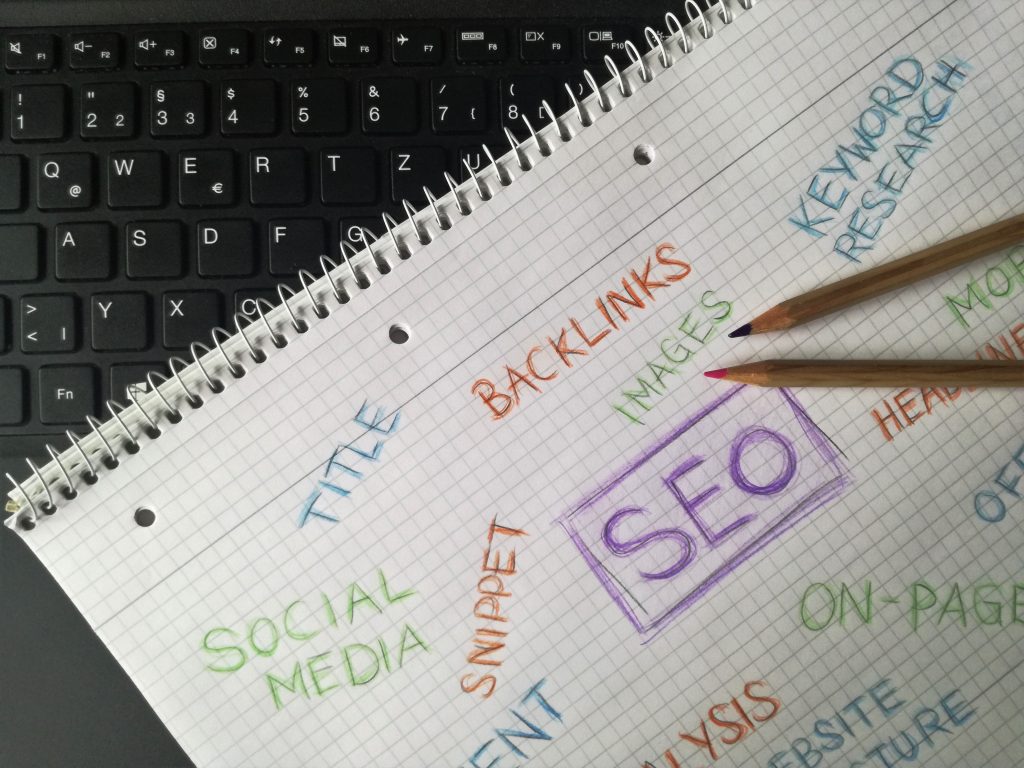
Search engine optimization is another area where AI is becoming increasingly useful.
SEO involves understanding search intent, researching keywords, creating useful content, analyzing competitors, optimizing pages, and monitoring performance.
AI can support marketers by helping with:
- Keyword research
- Search intent analysis
- Content topic discovery
- Content briefs
- Competitor analysis
- Internal linking ideas
- Meta title suggestions
- Meta description ideas
- Content optimization
- SEO reporting
For example, instead of simply targeting a keyword such as “digital marketing course,” AI can help marketers think about the different search intents behind that query.
A user might be looking for:
- Best digital marketing courses
- Digital marketing course fees
- Digital marketing course in Pune
- Digital marketing course for beginners
- Online digital marketing certification
This allows marketers to create content that answers real user questions instead of simply inserting keywords into an article.
Important:
AI can support SEO, but quality, relevance, originality, and user experience still matter.
3. AI in Google Ads and Paid Advertising
Paid advertising requires continuous optimization.
Marketers need to monitor:
- Click-through rates
- Cost per click
- Conversion rates
- Cost per lead
- Return on ad spend
- Audience performance
- Creative performance
AI can help analyze campaign data and identify patterns.
It can also assist marketers in creating multiple:
- Headlines
- Descriptions
- Ad copy variations
- Audience segments
- Creative concepts
- Testing ideas
Instead of relying on one advertisement, marketers can develop multiple variations and analyze which messaging resonates with different audiences.
The goal isn’t simply to spend more.
The goal is to make every marketing decision more data-driven.
4. AI in Meta Ads and Social Media Advertising
Platforms such as Facebook and Instagram generate huge amounts of user and campaign data.
AI can help marketers understand which audiences, creatives, placements, and messages are performing better.
For example, an e-commerce brand may discover that:
Creative A → High engagement
Creative B → More website visits
Creative C → More purchases
AI-assisted analysis can help marketers identify these patterns and make better optimization decisions.
AI can also help generate multiple creative concepts, hooks, captions, and ad copy variations.
This makes testing faster.
5. Personalized Marketing
Customers don’t want to feel like they are receiving the same message as everyone else.
They want relevant recommendations and experiences.
AI makes personalization easier.
For example, an online fashion store can recommend products based on:
- Previous purchases
- Browsing behavior
- Product interests
- Search activity
- Customer preferences
Similarly, an email campaign can deliver different messages to:
New visitors → Introduction offer
Existing customers → Related products
Inactive customers → Re-engagement campaign
This type of personalization can make marketing communication more relevant and useful.
6. AI Chatbots and Customer Support
Imagine a potential customer visiting your website at 11:30 PM.
They have a question about your service.
There is no salesperson available.
An AI chatbot can provide an immediate response.
AI-powered chatbots can help businesses:
- Answer frequently asked questions
- Explain products or services
- Collect leads
- Qualify prospects
- Schedule appointments
- Provide basic customer support
- Guide users to relevant pages
This can improve the customer experience while reducing the workload on support teams.
However, complex or sensitive issues should still be handled by trained human representatives.
7. Predictive Analytics
One of the most powerful applications of AI in marketing is predictive analytics.
Instead of only asking:
“What happened?”
marketers can start asking:
“What is likely to happen next?”
AI can analyze historical data and identify patterns that may help businesses predict:
- Customer behavior
- Potential conversions
- Churn risk
- Product demand
- Campaign performance
- Customer lifetime value
For example, if certain types of customers repeatedly purchase a particular product, AI can help identify similar customer characteristics.
Marketers can then use these insights to improve targeting and campaigns.
8. Social Media Management
Managing multiple social media platforms can be time-consuming.
AI can assist marketers with:
- Content ideas
- Captions
- Hashtag suggestions
- Posting schedules
- Content repurposing
- Comment analysis
- Social listening
- Performance analysis
For example, one long-form blog can be transformed into:
1 Blog → 5 LinkedIn posts → 3 Instagram captions → 2 short-video ideas → 1 email newsletter
This allows marketers to get more value from existing content.
9. Email Marketing
AI is also changing email marketing.
Instead of sending exactly the same email to every subscriber, AI can help marketers personalize communication.
AI can assist with:
- Subject lines
- Email copy
- Customer segmentation
- Send-time optimization
- Product recommendations
- A/B testing ideas
- Re-engagement campaigns
For example:
A customer who abandoned their shopping cart could receive a reminder, while a loyal customer could receive a personalized product recommendation.
The communication becomes more relevant instead of generic.

10. AI for Marketing Analytics and Reporting
Marketing decisions should be based on data.
But marketing reports can sometimes contain hundreds of metrics.
AI can help marketers summarize performance and identify important trends.
For example:
Instead of simply saying:
“Website traffic increased by 25%.”
AI-assisted analysis can help marketers investigate:
- Which channel generated the increase?
- Which audience contributed the most?
- Which pages received more traffic?
- Did conversions also increase?
- What should be tested next?
This transforms marketing reporting from data collection into actionable insights.
AI vs Traditional Digital Marketing
AI isn’t necessarily replacing traditional digital marketing.
Instead, it is changing how marketers work.
| Traditional Approach | AI-Assisted Approach |
|---|---|
| Manual data analysis | Automated data analysis |
| Generic communication | Personalized communication |
| Manual content ideation | AI-assisted ideation |
| Slow testing | Faster experimentation |
| Reactive decisions | Predictive insights |
| Repetitive tasks | Automated workflows |
| Limited personalization | Scalable personalization |
The future isn’t necessarily AI replacing marketers.
It’s more likely to be:
Marketers who know how to use AI outperform marketers who don’t.
Benefits of Using AI in Digital Marketing
Businesses can benefit from AI in several ways.
Faster Workflows
AI can reduce the time required for repetitive tasks.
Better Decision-Making
AI can help marketers discover patterns in large datasets.
Improved Personalization
Businesses can create more relevant experiences for different audiences.
More Content Ideas
AI can help marketers overcome creative blocks.
Better Campaign Optimization
AI-assisted analysis can help identify areas for improvement.
Increased Productivity
Marketers can spend less time on repetitive tasks and more time on strategy.
Challenges of Using AI in Digital Marketing
AI is powerful, but it isn’t perfect.
There are several challenges marketers should understand.
1. Accuracy
AI-generated information can sometimes be incorrect or outdated.
Always verify important information before publishing it.
2. Lack of Human Emotion
AI can generate content, but genuine human experiences, emotions, and creativity remain extremely valuable.
3. Generic Content
If everyone uses AI without adding their own expertise, content can become repetitive.
4. Data Privacy
Businesses must responsibly handle customer data and follow applicable privacy requirements.
5. Overdependence on AI
AI should be a tool—not the entire marketing strategy.
How to Use AI Effectively in Digital Marketing
The best approach isn’t:
“Let AI do everything.”
Instead:
Step 1: Define the Objective
Know what you want to achieve.
For example:
- Generate leads
- Increase website traffic
- Improve conversions
- Build brand awareness
- Increase sales
Step 2: Collect Quality Data
AI is only as useful as the information and instructions it receives.
Step 3: Use AI for Assistance
Use AI for research, ideas, analysis, automation, and optimization.
Step 4: Add Human Expertise
Review the output, add your experience, improve the messaging, and verify important claims.
Step 5: Test and Optimize
Don’t assume the first result is the best result.
Test different:
- Headlines
- Creatives
- Audiences
- Offers
- Landing pages
- CTAs
Then analyze the results.